


Articles
How To Store Surfboard
Modified: December 7, 2023
Learn how to properly store your surfboard with these helpful articles. Protect your board from damage and prolong its lifespan.
(Many of the links in this article redirect to a specific reviewed product. Your purchase of these products through affiliate links helps to generate commission for Storables.com, at no extra cost. Learn more)
Introduction
Storing your surfboard properly is essential for preserving its condition and ensuring it stays in peak performance. Whether you’re a seasoned surfer or just starting out, understanding how to store your surfboard is crucial for prolonging its lifespan and maintaining its performance capabilities.
In this article, we will guide you through the step-by-step process of storing your surfboard effectively. From choosing the right location to regular maintenance, we will cover all the necessary aspects to keep your surfboard in optimal condition.
So, if you’re ready to take your surfboard storage game to the next level, let’s dive in!
Key Takeaways:
- Properly storing your surfboard is crucial for maintaining its performance and prolonging its lifespan. From choosing the right location to regular maintenance, each step plays a vital role in preserving your board’s integrity.
- Investing time and effort into proper surfboard storage pays off in extended board life and enhanced surfing experiences. By following the steps outlined in this article, you can ensure your surfboard remains in excellent condition for years to come.
Read more: How To Store Surfboards In Garage
Step 1: Choosing the Right Location
When it comes to storing your surfboard, selecting the right location is crucial. Here are some factors to consider:
- Indoor or Outdoor: Ideally, you should store your surfboard indoors to protect it from extreme weather conditions and prolonged exposure to sunlight. An indoor storage area, such as a garage or spare room, will help maintain the board’s integrity.
- Temperature and Humidity: Aim for a storage area with moderate temperature and humidity levels. Extreme hot or cold temperatures can cause damage to the board’s materials, while high humidity can lead to mold and mildew growth. Keep your surfboard away from direct sunlight, heaters, or air conditioning units.
- Surfboard Racks: Invest in a surfboard rack to keep your board safely stored and off the ground. There are various types of racks available, including wall-mounted racks, freestanding racks, and ceiling racks. Choose one that suits your space and provides proper support for your surfboard.
- Security: Consider the security of the location. If possible, store your surfboard in a locked room or area to prevent theft or unauthorized access.
By carefully selecting the right location, you can ensure your surfboard is protected from potential damage and remains in optimal condition for years to come.
Step 2: Cleaning the Surfboard
Before storing your surfboard, it’s essential to give it a thorough cleaning. Here’s a step-by-step guide on how to clean your surfboard:
- Gather the Supplies: You’ll need a mild surfboard cleaner, a soft cloth or sponge, and a bucket of water.
- Rinse the Board: Start by rinsing your surfboard with fresh water to remove any salt, sand, or debris. Use a hose or a bucket of water to thoroughly rinse the board.
- Apply the Cleaner: Dilute the surfboard cleaner in the bucket of water according to the manufacturer’s instructions. Dip the cloth or sponge into the solution and gently scrub the entire surface of the surfboard.
- Focus on Problem Areas: Pay extra attention to areas with wax buildup, dirt, or other stubborn stains. Use gentle circular motions to remove these residues without causing any damage to the board’s surface.
- Rinse Again: Once you’ve cleaned the entire surfboard, rinse it thoroughly with fresh water to remove any remaining cleaning solution.
- Dry the Board: Wipe the surfboard dry with a clean, dry cloth or allow it to air dry in a shaded area. Make sure the board is completely dry before moving on to the next step.
By properly cleaning your surfboard, you remove any contaminants that could cause damage or deterioration during storage. This step also helps maintain the board’s appearance, ensuring it always looks its best.
Step 3: Removing Wax
One important step in preparing your surfboard for storage is removing the old wax. Wax buildup can affect the performance of your board and make it difficult to apply a fresh coat later on. Here’s how to remove the wax from your surfboard:
- Heat the Wax: To make the wax easier to remove, expose the surface of the board to direct sunlight or use a hairdryer to gently heat the wax. This will help soften it and make it easier to scrape off.
- Scrape the Wax: Once the wax has softened, use a surfboard wax comb or a plastic scraper to gently scrape off the wax from the board’s surface. Start from one corner and work your way across the board, applying gentle pressure to lift the wax off.
- Remove Residue: After scraping off the majority of the wax, use a cloth or paper towel to wipe away any remaining residue. Soaking the cloth in warm water can help dissolve stubborn wax remnants.
- Clean the Deck: Give the deck of your surfboard a final clean using a mild surfboard cleaner or a mixture of water and dish soap. Apply the cleaner to a soft cloth or sponge and gently wipe down the surface, removing any remaining wax residue.
- Rinse and Dry: Rinse the board with fresh water to remove any cleaning solution, and then wipe it dry with a clean cloth or allow it to air dry.
By removing the old wax, you create a clean surface for a fresh coat of wax when you’re ready to hit the waves again. This step also prevents wax accumulation and damage to your board during storage.
To store a surfboard, make sure to keep it in a cool, dry place away from direct sunlight to prevent warping or discoloration. Consider using a board bag or rack to protect it from damage.
Step 4: Protecting the Surfboard
After cleaning and removing the wax from your surfboard, it’s essential to protect it from any potential damage during storage. Here are a few tips to help you safeguard your surfboard:
- Use a Board Bag: Invest in a high-quality surfboard bag or sock to protect your board from scratches, dings, and dust. Choose a bag that’s specifically designed to fit your board’s dimensions for a snug and secure fit.
- Wrap the Nose and Tail: For added protection, consider wrapping the nose and tail of your surfboard with foam padding or bubble wrap. This will provide extra cushioning and prevent any potential impact during storage.
- Avoid Excessive Pressure: When placing your surfboard in a rack or leaning it against a wall, be mindful of applying excessive pressure on specific areas. Distribute the weight evenly to prevent any pressure points that could cause damage over time.
- Maintain Proper Temperature: Ensure that the storage area maintains a moderate and consistent temperature. Extreme heat or cold can lead to damage or warping of the board’s materials.
- Avoid Moisture: Keep your surfboard away from areas with high humidity or condensation. Moisture can lead to mold growth or delamination. Consider using moisture-absorbing products, like silica gel packs, in the storage area to maintain dry conditions.
By taking these protective measures, you can prevent unnecessary damage to your surfboard and ensure it stays in top-notch condition until your next surfing adventure.
Read more: How To Store A Surfboard
Step 5: Storing the Surfboard
When it’s time to store your surfboard, follow these guidelines to ensure it remains in optimal condition:
- Vertical Storage: Store your surfboard in a vertical position whenever possible. This helps prevent any potential warping or damage to the board’s shape. Utilize a surfboard rack or stand to keep the board upright and stable.
- Avoid Leaning: Avoid leaning your surfboard against a wall or other surfaces for an extended period. This can lead to pressure points and distortion of the board’s shape. If you need to lean it temporarily, make sure to distribute the weight evenly and periodically rotate the board to prevent any indentations.
- Consider Board Racks: If you have multiple surfboards, consider using individual board racks to keep them organized and safely stored. This helps prevent any accidental damage caused by boards knocking into each other.
- Keep Away from Heavy Objects: Store your surfboard away from any heavy objects or equipment that could potentially fall and cause damage. Ensure there is ample space around the board to minimize the risk of accidents.
- Avoid Extreme Temperatures: Do not expose your surfboard to extreme heat or cold. Choose a storage area that maintains a moderate temperature to prevent any damage to the board’s materials.
- Minimal Movement: Once your surfboard is properly stored, try to minimize any unnecessary movement or handling. This helps reduce the risk of accidental bumps or drops that could cause damage.
By storing your surfboard correctly, you can maintain its shape, integrity, and performance for many seasons of shredding waves.
Step 6: Regular Maintenance
Even when your surfboard is in storage, it’s important to perform regular maintenance to ensure its longevity. Here are some maintenance tasks to keep in mind:
- Inspect Regularly: Take the time to inspect your surfboard periodically. Look for any signs of damage, including cracks, dings, or delamination. If you notice any issues, address them promptly to prevent further damage.
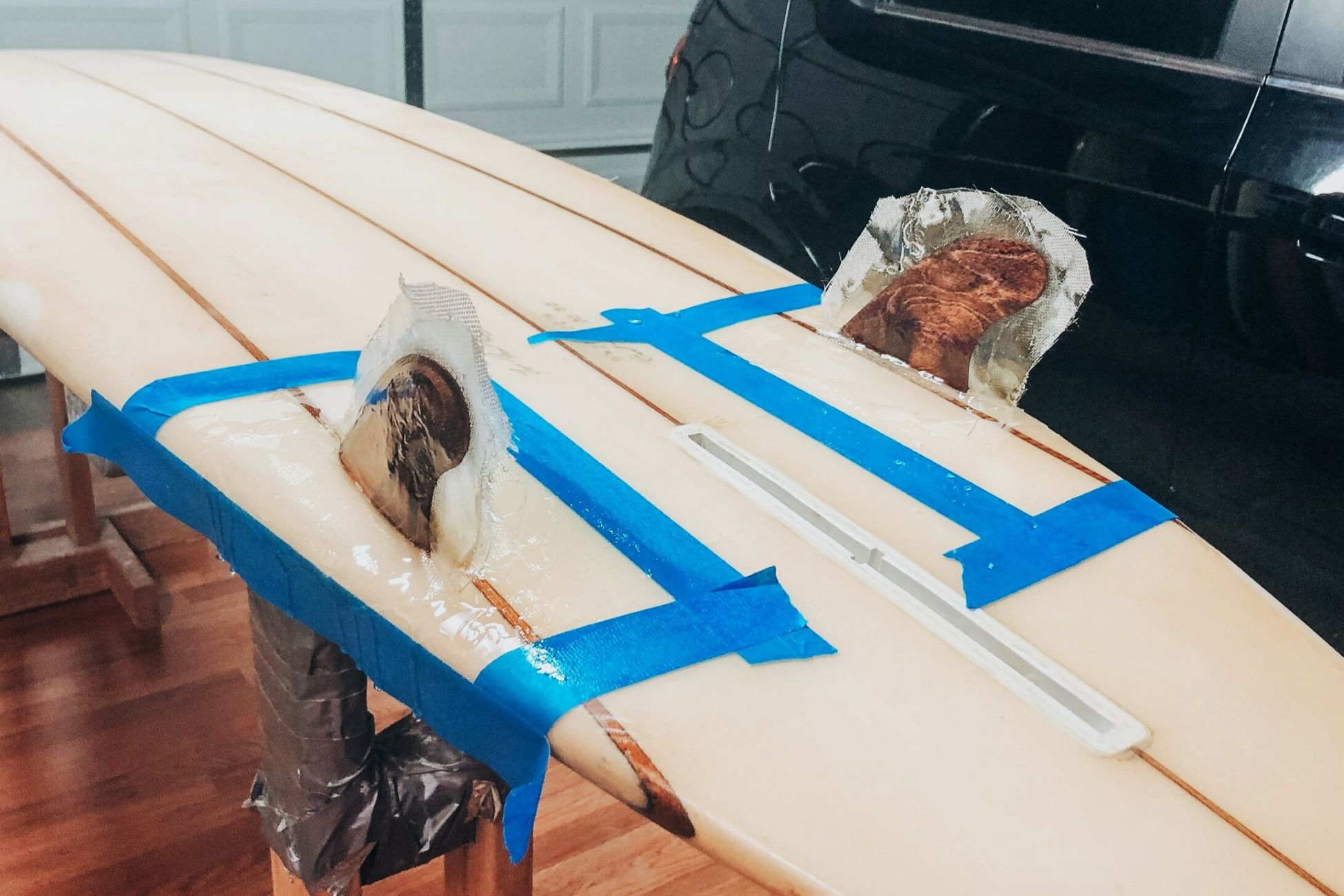
- Check Fin Boxes: Inspect the fin boxes to ensure they are securely in place. Loose or damaged fin boxes can affect the performance of your surfboard and should be repaired or replaced if necessary.
- Repair Small Damages: If you find any minor dings or scratches, repair them using a surfboard repair kit. Follow the instructions provided with the kit to properly fill in the damaged areas and restore the board’s integrity.
- Rotate the Board: If you’re storing your surfboard for an extended period, consider rotating it occasionally to prevent any warping or bending from occurring due to pressure points.
- Keep the Board Clean: Regularly wipe down your surfboard with a clean cloth to remove any dust or debris that may have accumulated during storage. This keeps the board looking fresh and ready for your next surf session.
- Reapply Wax: Before heading back to the water, apply a fresh coat of wax to ensure proper grip and traction. Remove any old wax residues using the methods mentioned earlier, then apply a new layer using a quality surf wax.
By performing regular maintenance, you can catch and address any potential issues early on, preventing them from becoming larger problems that may affect the performance and lifespan of your surfboard.
Conclusion
Properly storing your surfboard is essential for maintaining its performance, protecting it from damage, and prolonging its lifespan. By following the steps outlined in this article, you can ensure that your surfboard remains in excellent condition, ready for your next surfing adventure.
From choosing the right storage location to cleaning the surfboard, removing wax, and protecting it, each step plays a crucial role in preserving the integrity of your board. Regular maintenance and inspections help identify and address any issues before they worsen, ensuring your surfboard stays in optimal shape.
Remember, a clean and well-maintained surfboard not only performs better but also gives you the confidence to tackle the waves with ease. Taking the time to store and care for your surfboard properly will ultimately enhance your surfing experience and extend the life of your beloved board.
So, whether you’re storing your surfboard during the off-season or in-between surf sessions, don’t underestimate the importance of following these steps. By investing a little time and effort into proper storage, you can enjoy your surfboard for years to come, catching more waves and creating unforgettable memories in the process.
Frequently Asked Questions about How To Store Surfboard
Was this page helpful?
At Storables.com, we guarantee accurate and reliable information. Our content, validated by Expert Board Contributors, is crafted following stringent Editorial Policies. We're committed to providing you with well-researched, expert-backed insights for all your informational needs.












0 thoughts on “How To Store Surfboard”